By Daud zafar

Introduction
In recent years, Pakistan has witnessed the alarming rise of radical religious forces. Among them, Tehreek-e-Labbaik Pakistan (TLP) has emerged not just as a political party but as a growing symbol of religious Jahadi,s, violence, and theocratic ambition. What started as a movement defending blasphemy laws has morphed into a systematic campaign to dominate public discourse and marginalize religious minorities.
This is not just about ideology — it’s about survival, dignity, and existence for Pakistan’s vulnerable minority communities.
TLP’s Mission: From Street Power to State Power
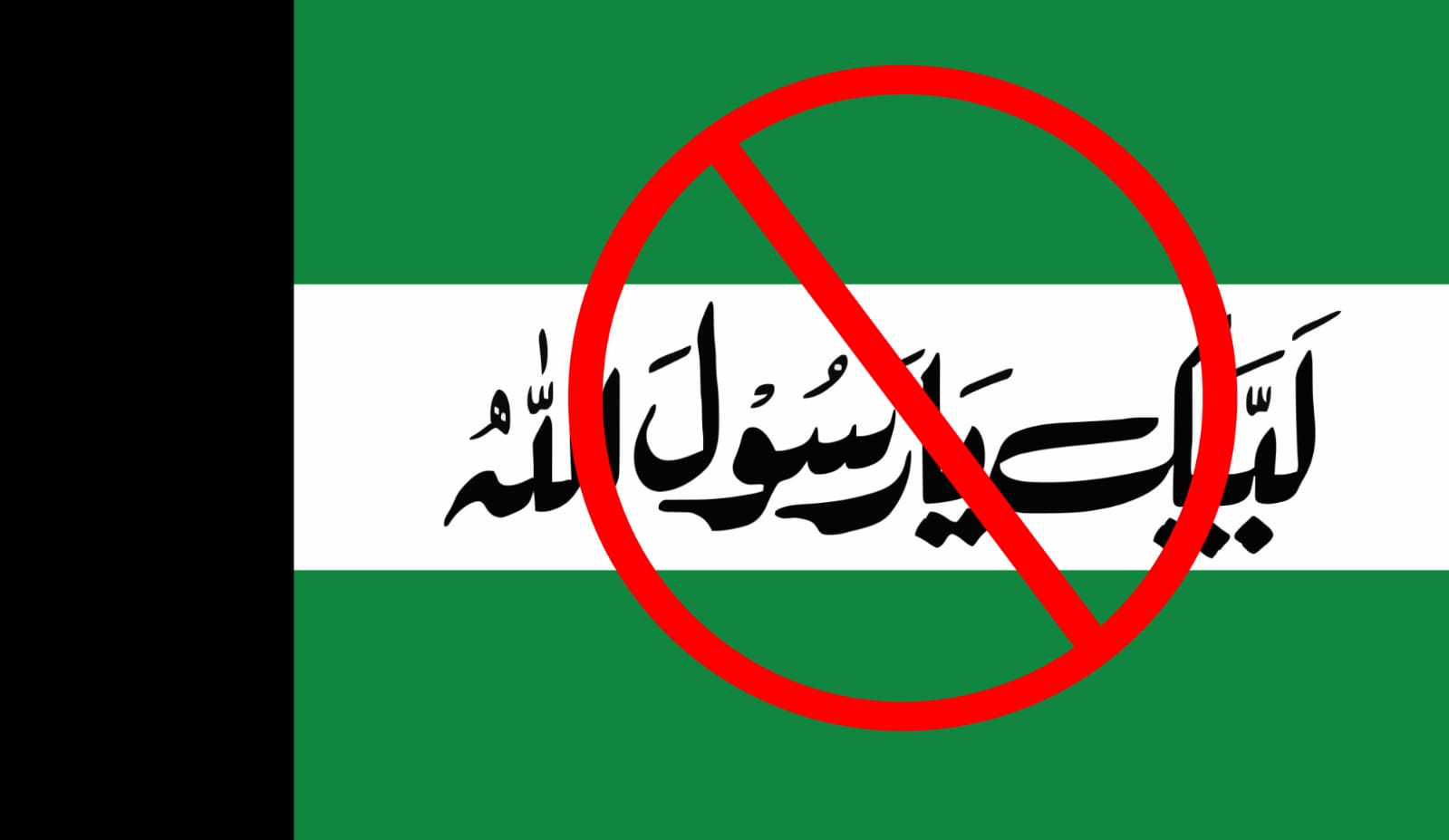
Founded on the slogan of “Labbaik Ya Rasool Allah”, the TLP gained mass traction through blasphemy-related protests, most notably after the execution of Mumtaz Qadri, the assassin of Punjab Governor Salman Taseer.
Today, they’re not just blocking highways. They’re hijacking public space, threatening judges, pressuring politicians, and pushing for a Sharia-inspired authoritarian state — one in which non-Muslims have no space to breathe.
A Strategy of Fear: How TLP Targets Minorities
TLP’s influence thrives on hate speech, misinformation, and mob justice — often amplified through social media and street activism. Minority communities — particularly Christians, Hindus, and Ahmadis — live under constant fear of being accused of blasphemy, a crime punishable by death in Pakistan.
Churches have been attacked following their rallies.
Christian sanitation workers are regularly portrayed as “impure” and “unfit.”
Hindu temples have been desecrated without consequence.
Ahmadis continue to be declared non-Muslim — now also targeted as state enemies.
All of this under the tacit silence or reluctant complicity of mainstream politics.
—
Legal Cover for Hate
TLP doesn’t just rely on mob rule — it pushes for legal tools to institutionalize religious discrimination. They vocally oppose any amendment to blasphemy laws, support harsher punishments for religious dissenters, and now aim to curtail interfaith marriages and conversions with laws that specifically target minority girls.
Their goal is clear:
A Pakistan where being a non-Muslim is not just a second-class identity — it’s a liability.
The Silence of the State
The most alarming part of this story? The state’s enabling silence. TLP has been banned — and unbanned — multiple times. Their leaders are arrested, only to be released under deals brokered behind closed doors. Their street power has become a bargaining chip in Pakistan’s fragile political ecosystem.
And while minorities cry for protection, the state remains focused on managing optics, not delivering justice.
Why the World Should Care
This is not just Pakistan’s problem — it’s a global human rights emergency. The unchecked rise of groups like TLP sets a dangerous precedent for the entire region. It threatens to turn constitutional democracy into theological tyranny, with minorities as the first victims.
Conclusion: Stand Before It’s Too Late
TLP is not just a fringe group anymore — it is a rising ideological force. Its vision of Pakistan is one of exclusion, fear, and religious apartheid.
If civil society, international human rights organizations, and democratic voices do not act now, the fabric of pluralism in Pakistan may soon be irreparably torn — and minorities may find themselves completely erased from the national story.