






Home
INTRODUCTION
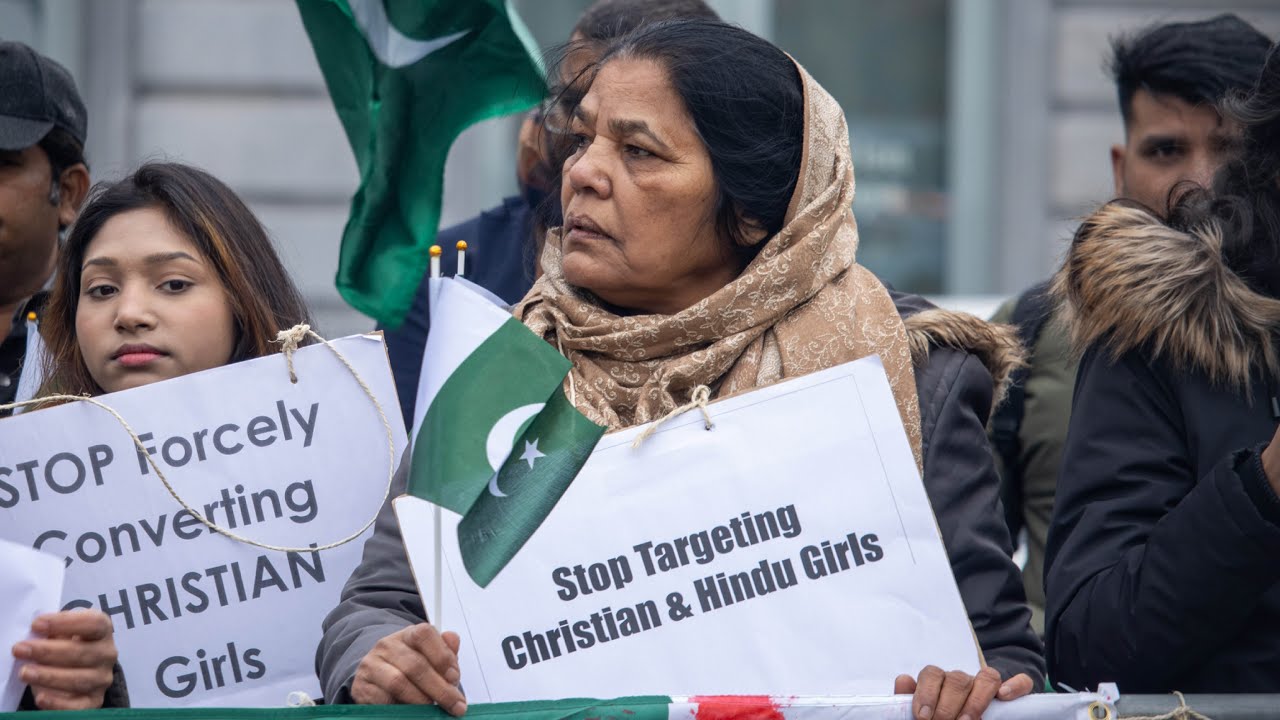
Christians in Pakistan form a small but significant minority, contributing to the nation’s culture, education, and workforce. Despite constitutional guarantees of equality and freedom of religion, the Christian community often finds itself vulnerable to social discrimination, economic marginalization, and legal persecution.
One of the most pressing issues Christians face is the misuse of Pakistan’s blasphemy laws, which carry severe penalties — including life imprisonment and the death sentence. These laws, while intended to protect religious harmony, are frequently exploited to settle personal disputes, silence critics, or intimidate minority groups. Accusations alone can spark mob violence, forced displacement, and long legal battles, even when evidence is weak or fabricated.
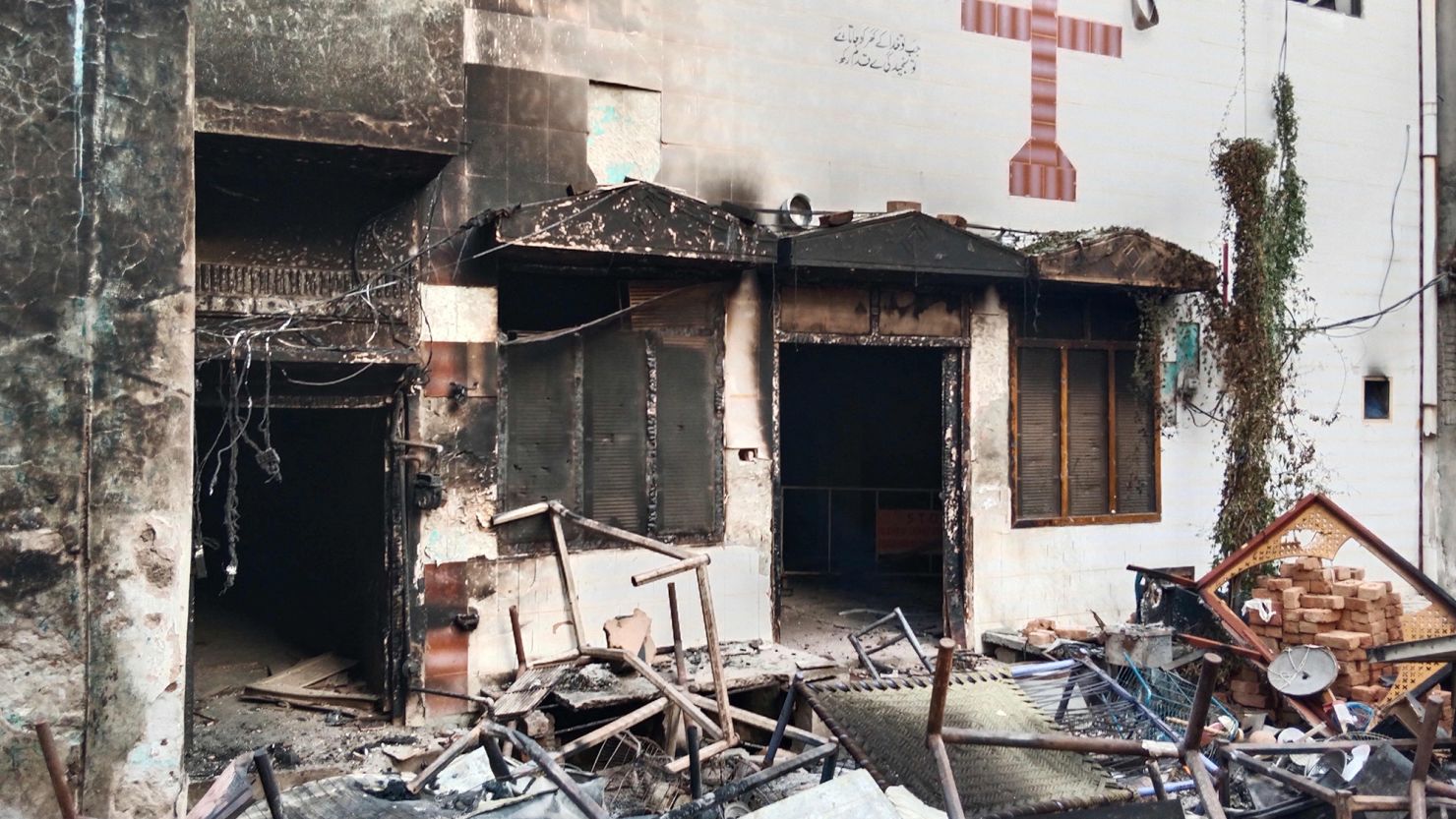
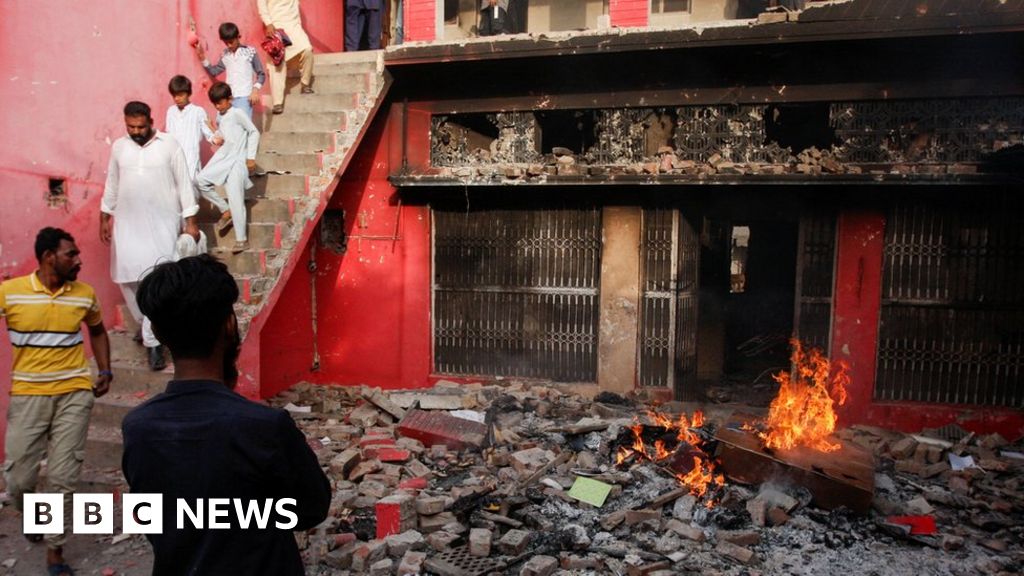
High-profile cases such as Asia Bibi’s wrongful death sentence and the Jaranwala attacks of 2023, where churches and homes were destroyed following blasphemy allegations, highlight the precarious situation of Christians in Pakistan. For many, the threat of prosecution is not just a legal matter it is a daily fear that affects their safety, livelihood, and dignity.
At Prosecution Watch News, we document these cases to bring visibility, accountability, and truth to light. By tracking prosecutions, exposing patterns of misuse, and amplifying the voices of victims, we aim to ensure that the suffering of Christians and other minorities in Pakistan is not ignored, and that justice remains a demand shared globally.
ANTI CHRISTAIN ORGANISATIONS
Christians in Pakistan often live under the shadow of discrimination, not only from social bias but also from certain extremist groups and organizations that promote intolerance. While not every group reflects mainstream society or state policy, some organizations have been linked to anti-Christian rhetoric, violence, or persecution campaigns.
Types of Anti-Christian Organisations & Actors
- Religious Extremist Groups
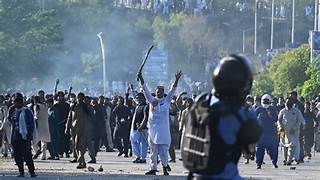
- Some militant and extremist outfits, such as Tehreek-e-Labbaik Pakistan (TLP), have been known for large-scale street protests and campaigns demanding strict punishment in blasphemy cases.
- These groups often target Christians (and other minorities) when accusations of blasphemy arise, fueling mob violence.
- Militant Networks
- Groups like the Pakistani Taliban (TTP) and splinter jihadist outfits have carried out church bombings, targeted killings, and attacks on Christian communities.
- High-profile incidents include the 2013 Peshawar church bombing and the 2016 Easter bombing in Lahore.
- Local Pressure Groups
- In many towns and villages, informal networks linked to clerics or landlords mobilize mobs after blasphemy accusations.
- These groups may not be official organizations, but they play a key role in inciting attacks like those seen in Jaranwala (2023).
- Hate Campaigns on Media & Social Platforms
- Certain religious activists and organisations use media platforms to spread anti-Christian narratives, reinforcing social stigma and making minorities vulnerable.
Impact on Christian Communities
- Violence: Churches, homes, and schools have been burned in mob attacks.
- Legal Harassment: Pressure groups lobby courts and police to ensure harsh prosecutions under blasphemy laws.
- Social Exclusion: Christians face boycotts in workplaces, neighborhoods, and schools, isolating communities further.
ere are four maps that provide valuable visual context for the situation of Christians in Pakistan:
- Heatmap of Christian persecution incidents by region (likely highlighting areas with a concentration of attacks)
- Detailed incident map of violent events across Pakistan over time
- Geographically focused cluster visualization of attacks or extremist activity
- World Watch List graphic showing overall persecution severity in Pakistan
Interpreting the Maps & Their Relevance
- The heatmap and regional incident maps pinpoint hotspots like Punjab (Lahore, Jaranwala) and Khyber Pakhtunkhwa (Peshawar)—regions repeatedly targeted in attacks on Christian communities.
- The cluster visualization helps identify patterns of violence, often overlapping with areas of known extremist group activity.
- The World Watch List graphic offers a broader view, ranking Pakistan among the most challenging places globally for Christians and showing overall social, legal, and violence-based pressures Open Doors UK & Irelandopendoors.org.
Summary: Christian Persecution in Pakistan — Map Insight
| Location | Incident Highlights | Contextual Notes |
|---|---|---|
| All Saints Church, Peshawar (2013) | 127 killed in a suicide bombing during service. | Attack by TTP-linked militant group; among the deadliest against Christians. Wikipedia |
| Youhanabad, Lahore (2015) | Twin church bombings killed 15, injured 70. | Perpetrated by Jamaat-ul-Ahrar, a Taliban offshoot. Wikipedia |
| Gulshan-e-Iqbal Park, Lahore (2016) | 75 killed (including 29 children), 340+ injured. | West-targeted Easter Sunday crowd; Jamaat-ul-Ahrar claimed responsibility. Wikipedia |
| Quetta (2017) | 9 killed, dozens injured in a suicide attack on a church. | Carried out by Islamic State affiliates. Wikipedia |
| Jaranwala, Punjab (2023) | 26 churches burned by mobs over false blasphemy claims. | Mob attacks tied to TLP supporters; mass arrests made. WikipediaAP News |
| Sargodha (Recent) | Christian homes and shops attacked by mob of hundreds. | Sparked by blasphemy allegation; violence before legal process. ReutersVatican News |
Why These Maps Matter
- Visual Evidence of Patterns: These maps validate that violence isn’t random—it occurs within identifiable geographic clusters where extremist groups are active, and societal tensions flare.
- Highlighting Risk Zones: Knowing which regions are repeatedly targeted aids risk assessment for on-the-ground support, response planning, and advocacy.
- Policy & Accountability: Visual data strengthens calls for government protection, supports civil society documentation, and helps international actors understand where interventions are most critical.
- Storytelling Enablement: Infographics layered on this map data (like incident timelines or community narratives) can humanize reports and highlight plight for readers.