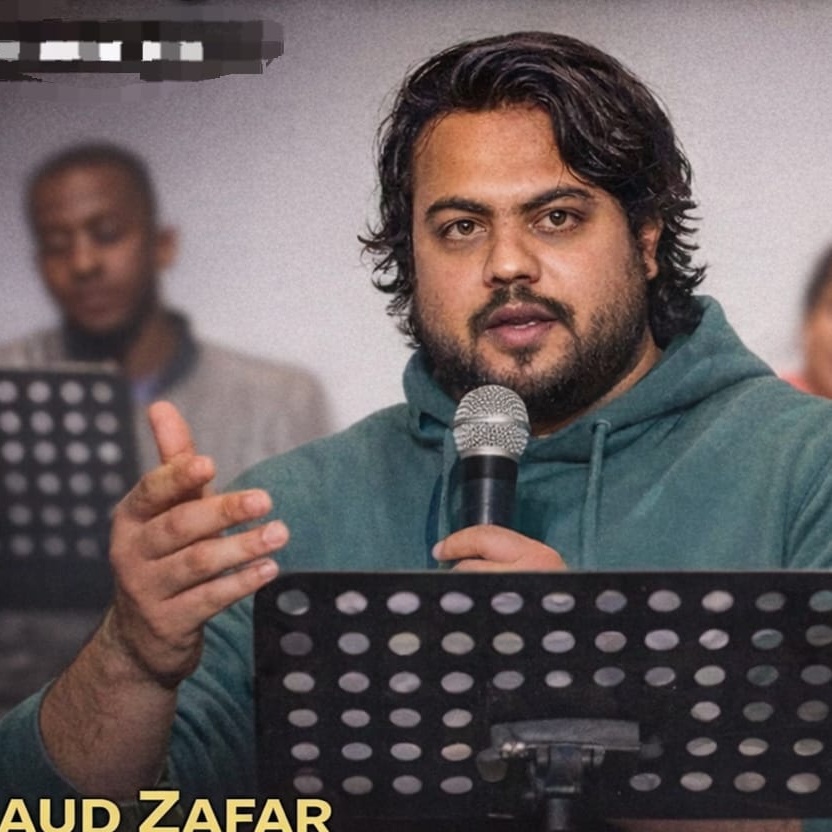
An investigative report by Daud Zafar
In the suburbs of Rawalpindi, a story has emerged that has drawn attention from journalists, human rights observers, and advocates for religious minorities in Pakistan. At its center is Saneha Masih, a young Christian woman whose personal experiences highlight the complex interplay of religious freedom, social pressure, gendered vulnerability, and legal ambiguity in cases of interfaith relationships in the country.
According to family members and acquaintances who spoke with this reporter, Saneha, born and raised in a Christian household, became acquainted with Sajawal Haider, a local Muslim man, through mutual social circles. The friendship reportedly developed over the course of approximately one year. While relatives who reside abroad could only follow events from a distance, sources in Rawalpindi describe Saneha as socially isolated and emotionally vulnerable at the time of her interactions with Sajawal.
Family accounts state that the relationship took a troubling turn when Saneha was invited to meet Sajawal at a private location, where, according to relatives, sexual activity occurred that she did not anticipate. This incident, according to family testimony, became a source of pressure: Saneha was allegedly told that unless she formalized her relationship with Sajawal through marriage, the details of the encounter would be disclosed to her local community. Relatives describe this as a form of coercion that left Saneha in a state of emotional distress, compounded by her social isolation and the potential repercussions in her tight-knit community.
One relative, speaking on condition of anonymity due to safety concerns, explained:
“She felt trapped. In our community, even rumors of relationships outside accepted norms can bring shame and social backlash. The threat of exposure was terrifying for her.”
According to sources, Saneha ultimately agreed to marry Sajawal under these conditions, with the explicit understanding that her family’s dignity would be respected. Relatives emphasized that this agreement was reluctant and influenced by fear rather than entirely voluntary consent.
Following the decision, Saneha reportedly left Rawalpindi with Sajawal and traveled to Kuchary to formalize the marriage. Local authorities, however, declined to perform a civil court-sanctioned marriage, citing procedural requirements and the circumstances of what was described as an elopement. Family members say the couple then traveled to Sargodha, where they approached Qazi Mustafa Nigah Chishti, a cleric affiliated with a local religious seminary. According to testimonies from community members, Chishti conducted a religious conversion ceremony and formalized the marriage under Islamic rites, though no civil registration or court-sanctioned marriage certificate was issued.
Relatives expressed concern that the lack of formal civil documentation has left Saneha in a precarious legal and social position. Videos and statements reportedly made by Sajawal and circulated on social media — in which he presents the conversion and marriage as voluntary — have further contributed to her sense of isolation and vulnerability. These recordings, family members say, have intensified the social scrutiny and psychological pressure on Saneha, reflecting the significant impact of public narratives on private lives in the digital age.
The circumstances described in Saneha’s case, while intensely personal, reflect broader concerns identified by human rights organizations. Over the past decade, groups such as the Human Rights Commission of Pakistan (HRCP) and Amnesty International have documented cases in which minority women, particularly Christians and Hindus, face coercion when marrying across religious lines. Alleged mechanisms of pressure include emotional manipulation, social isolation, threats of public exposure, and demands for religious conversion, all of which complicate assessments of free and informed consent.
Legal experts note that while Pakistan’s constitution guarantees freedom of religion, the interplay between societal norms, communal pressures, and the influence of local religious authorities can significantly constrain personal choice. In cases like Saneha’s, family statements indicate that her consent to convert and marry may have been influenced by fear of exposure and social repercussions — factors that would challenge the legal and ethical validity of the decision under both domestic law and international human rights standards.
According to relatives, the coercion did not end with the religious ceremony. Saneha allegedly faced threats suggesting that if she attempted to return to Christianity, she could face retaliation. Family accounts describe statements attributed to Sajawal invoking religious justification for punishment in the event of apostasy, a situation that, even if interpreted rather than literal, contributed to a climate of fear. Observers note that in Pakistan, cases involving religious identity and apostasy can carry severe social consequences, including communal backlash and vigilante action, making such threats particularly potent.
The case also raises questions about the role of local clerics and religious authorities in the process of conversion. Testimonies suggest that clerics such as Qazi Mustafa Nigah Chishti are regularly approached to formalize conversions and marriages involving minority women. Critics argue that these processes, while framed as religious rites, may occur under social or emotional pressure rather than genuine conviction, particularly when conducted without legal oversight or safeguards to ensure free choice.
The distinction between voluntary conversion and coercion is critical. Legal scholars and human rights advocates define forced conversion as a change of faith induced by threats, emotional manipulation, fraud, or undue pressure — circumstances that compromise the individual’s free and informed consent. Relatives of Saneha emphasize that emotional manipulation, social isolation, and the timing of the conversion indicate that her actions were conditional, rather than freely chosen.
Beyond the immediate implications for Saneha, this case highlights systemic vulnerabilities faced by religious minorities in Pakistan. Human rights observers have identified recurring patterns in similar incidents: long periods of trust cultivation by individuals outside the community, isolation from family supports, conditional demands for conversion prior to marriage, implicit or explicit threats to enforce new religious identities, and social or legal barriers that complicate a return to the original faith. Saneha’s situation aligns with many of these indicators, underscoring the need for careful scrutiny and independent verification.
The circulation of videos and social media statements further complicates the situation. According to relatives, Sajawal reportedly recorded messages asserting that Saneha’s conversion was voluntary, a claim that has been widely shared online. These digital narratives can influence public perception and shape the social and legal environment in ways that may affect both ongoing investigations and Saneha’s personal safety.
Experts emphasize that legal and moral obligations intersect in such cases. Pakistan’s laws regarding marriage and conversion carry both civil and criminal implications, yet enforcement and protection remain inconsistent. Survivors of coercion require access to safe shelters, legal aid, and psychosocial support to make informed decisions regarding their faith and marital status. Transparent investigation and accountability for all parties involved are critical to safeguarding human rights and maintaining public trust in institutions.
Saneha Masih’s case, while deeply personal, has broader implications for Pakistani society. It serves as a focal point for discussions about religious freedom, gendered vulnerability, and the responsibilities of both the state and community institutions. Journalists, human rights advocates, and legal experts note that addressing these cases effectively requires not only investigation into individual circumstances but also systemic reforms to ensure protection for vulnerable populations.
Ultimately, Saneha’s story is a lens through which to examine the intersection of personal autonomy, religious identity, and social norms. It illustrates the profound challenges faced by minority women in Pakistan, the pressures exerted by social and familial networks, and the critical importance of safeguarding legal and human rights protections. While the personal narrative is still unfolding, it underscores the urgent need for transparent inquiry, informed legal recourse, and community awareness to prevent coercion and protect the rights of those who may otherwise be silenced.
The case continues to be monitored by journalists and human rights organizations, emphasizing that in matters of faith, marriage, and consent, the line between personal choice and coercion can be blurred — with serious implications for justice, safety, and the exercise of fundamental freedoms.
Quranic Verse (supporting freedom of belief):
“There is no compulsion in religion.” — Quran 2:256
Hadith reference (historically cited in classical jurisprudence regarding apostasy):
“Whoever changes his religion, kill him.” — Sahih al-Bukhari, Hadith 3017
(Classical Sunni jurists cited this in rulings on apostasy; contemporary scholars debate its interpretation and application.)