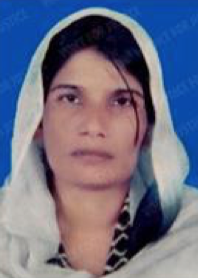
On September 19, 2024, a Christian mother of four, Shagufta Kiran, was sentenced to death under Section 295-C of the Pakistan Penal Code and seven years in prison under Section 11 of the Prevention of Electronic Crimes Act (PECA). The court also imposed a fine of Rs 100,000.
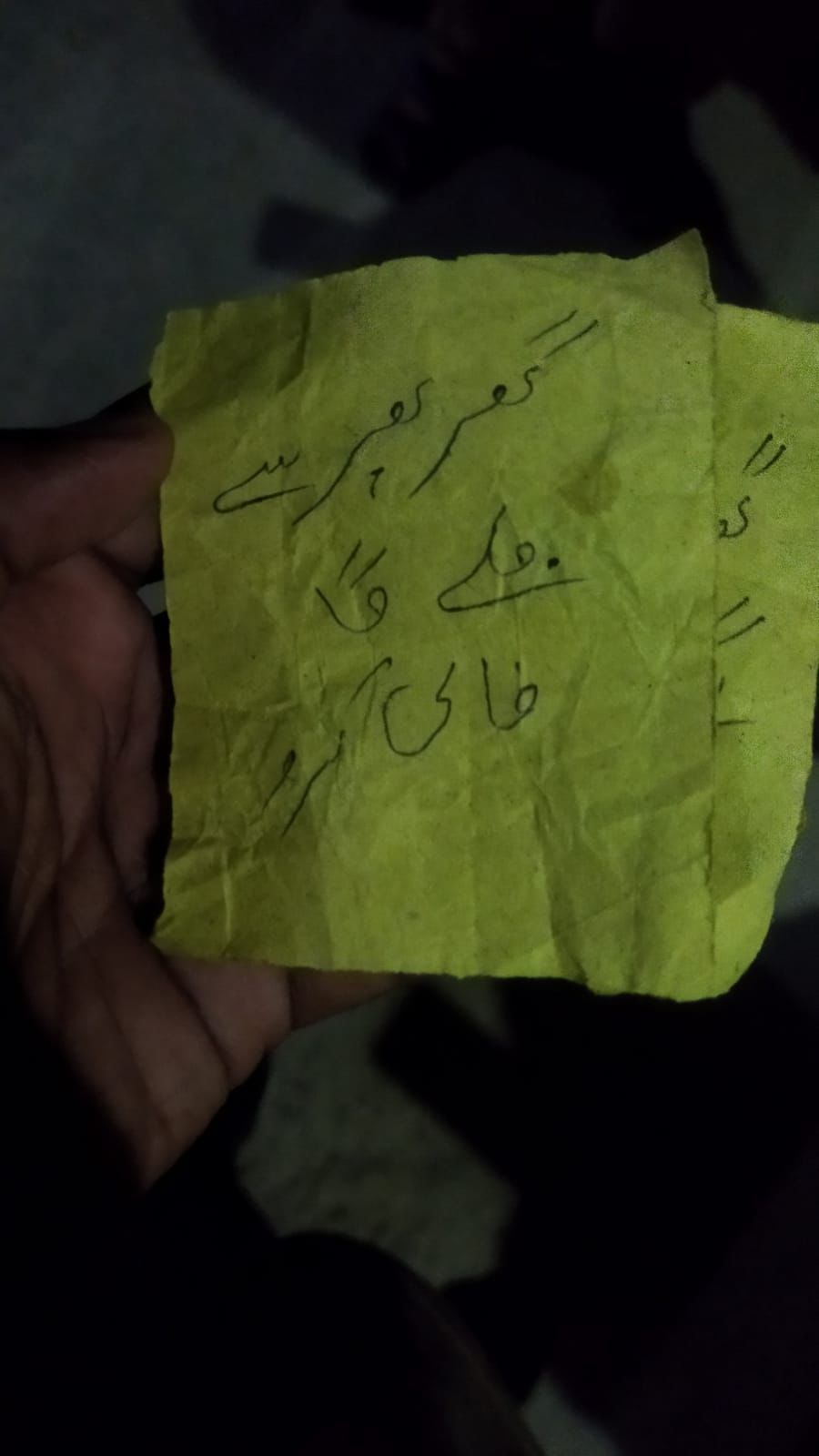
The charges stem from a WhatsApp post allegedly forwarded in 2020, which was deemed blasphemous. Despite maintaining that she did not write the message, a special PECA court in Islamabad convicted her.
Case Details
Defendant: Shagufta Kiran, Christian minority, mother of four
Charges: Blasphemous WhatsApp message, allegedly shared in September 2020
Verdict:
Death penalty under Section 295-C (blasphemy law)
7 years imprisonment under PECA Section 11
Fine of Rs 100,000
Her legal defense argued that she had only forwarded the message without reading it, but the court rejected this claim.
Echoes of Asia Bibi
This case has drawn comparisons to the Asia Bibi trial, where another Christian woman was sentenced to death for blasphemy before being acquitted after years in prison.
Both cases highlight how Pakistan’s blasphemy laws are applied disproportionately against religious minorities and often without credible evidence.
The Bigger Picture
Over 1,800 blasphemy cases have been reported in Pakistan.
More than 70% of accused remain under trial without conviction.
Dozens have been victims of mob violence or extrajudicial killings before courts could rule.
The Human Rights Commission of Pakistan (HRCP) has repeatedly warned that such laws are misused for personal grudges, land disputes, and silencing minorities.
What Happens Next?
Kiran’s lawyers plan to appeal to the Islamabad High Court, where the case will be reviewed. Until then, the death sentence is suspended, but her fate remains uncertain.
Conclusion
The case of Shagufta Kiran illustrates the urgent need for reform in Pakistan’s blasphemy laws. A forwarded message has placed a woman’s life on the line, raising profound questions about justice, freedom of expression, and the protection of minorities.