
By Daud zafar
In August 1947, Pakistan was born from a dream — a homeland where every citizen would enjoy equal rights regardless of religion, ethnicity, or language. Muhammad Ali Jinnah, the country’s founder, declared on Aug. 11, 1947, that “you are free; you are free to go to your temples, you are free to go to your mosques or to any other places of worship” and that religion had “nothing to do with the business of the State” (Constituent Assembly of Pakistan, Aug. 11, 1947).
This pledge was not a passing remark. In the days leading to independence, Jinnah personally assured leaders from Pakistan’s minority communities — Hindus, Christians, Sikhs, Parsis — that the new state would guarantee their safety, dignity, and full citizenship. That promise was a decisive factor in their support for the independence movement (Ahmed, 2017, Jinnah and the Protection of Minorities).
But more than 75 years later, that vision remains unfulfilled. Every year, Pakistan celebrates Independence Day on Aug. 14 with grandeur — parades, speeches, and patriotic songs. Yet for many minorities, the celebrations fade quickly. In some years, barely days later, targeted violence, mob attacks, or discriminatory actions have reminded them of their precarious position.
Since 1947, a combination of political opportunism, military interventions, and legal changes has chipped away at the founding promise. The 1974 constitutional amendment that declared Ahmadis non-Muslims (Constitution of Pakistan, Second Amendment, 1974) marked a turning point, institutionalizing religious discrimination. The “Islamization” policies of the 1980s under Gen. Zia-ul-Haq further narrowed the space for religious freedom, introducing harsher blasphemy laws and restrictions on minority communities (Human Rights Watch, 2014).
These laws have often been misused. Amnesty International and the Human Rights Commission of Pakistan have documented numerous cases in which blasphemy accusations were used to settle personal disputes, seize property, or intimidate entire communities (Amnesty International, 2021; HRCP Annual Report, 2022).
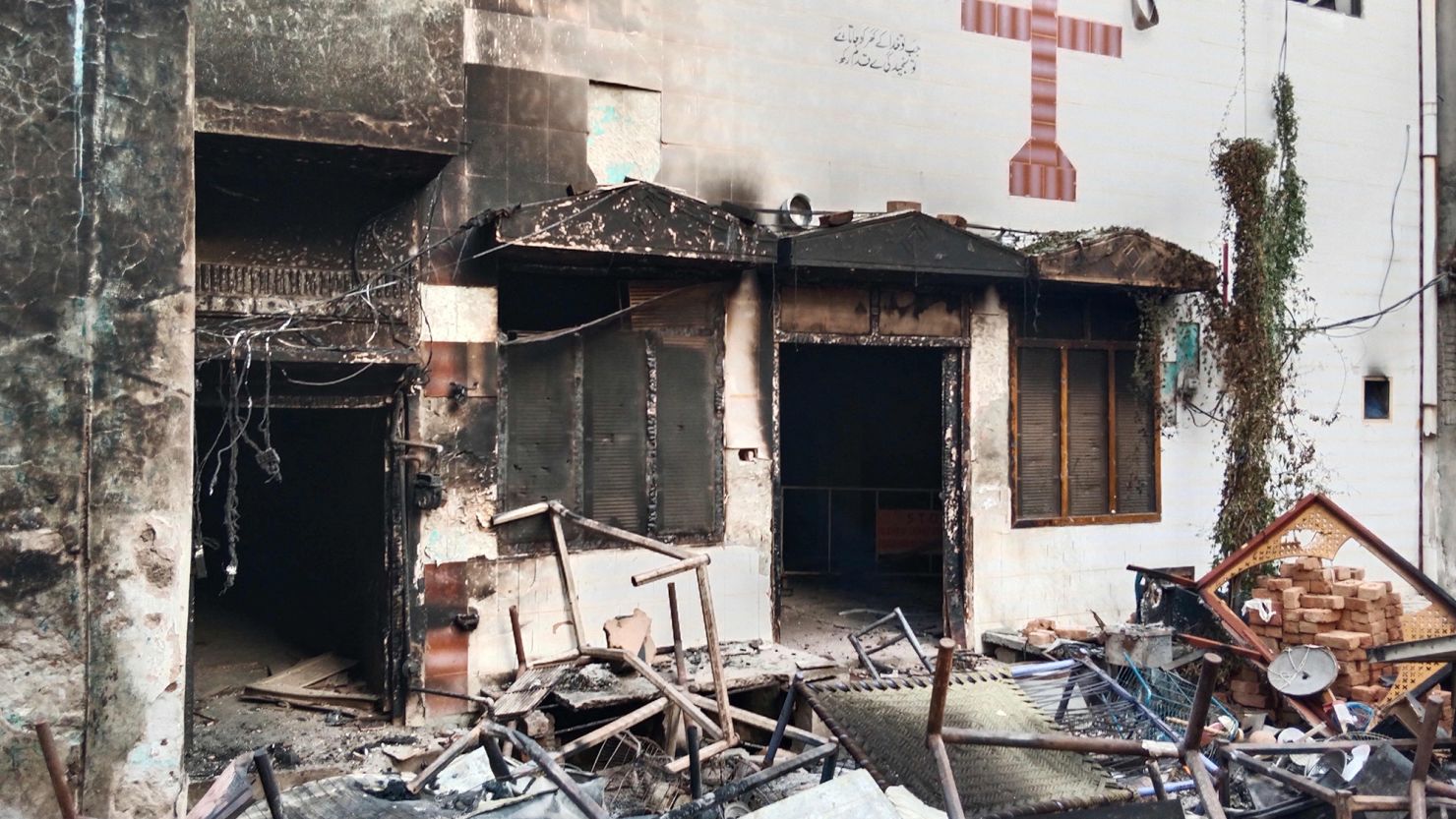
The results have been devastating. The 2009 Gojra riots left at least eight Christians dead after a false blasphemy allegation. In 2013, Joseph Colony in Lahore was torched by a mob of over 3,000 people, displacing hundreds of families. In August 2023, Jaranwala witnessed one of the largest anti-Christian attacks in recent years, with churches burned and homes destroyed. In each case, the state’s response was slow and accountability limited, with many suspects acquitted due to weak prosecutions (Dawn, Aug. 3, 2013; BBC News, Aug. 17, 2023).
Military rule has played its own role in this decline. Coups in 1958, 1977, and 1999 suspended constitutional protections and allowed unelected rulers to reshape the legal order. Political parties, whether in power or opposition, have often courted extremist groups rather than confront them, undermining the security of minority citizens (International Crisis Group, 2021).
International reports consistently place Pakistan among countries of concern for religious freedom. The U.S. Commission on International Religious Freedom has noted patterns of forced conversions, mob violence, and systemic discrimination against non-Muslims, urging Islamabad to enact comprehensive legal reforms (USCIRF Annual Report, 2023).
Pakistan observes Aug. 11 as National Minorities Day, meant to honor Jinnah’s speech and reaffirm the country’s commitment to equal citizenship. Yet this commemoration has rarely been accompanied by substantive policy change. Human rights advocates argue that without legal reforms — including the protection of places of worship, stronger anti-discrimination laws, and effective prosecution of hate crimes — such symbolism is hollow.
The question remains: Will Pakistan return to the dream articulated in 1947, or will it continue to drift from the ideals that justified its creation? For millions of its citizens, the answer will define not just the meaning of Independence Day, but their place in the country they call home.
Sources
Constituent Assembly of Pakistan Debates, Aug. 11, 1947.
Ahmed, I. (2017). Jinnah and the Protection of Minorities. Oxford University Press.
Constitution of Pakistan, Second Amendment, 1974.
Human Rights Watch (2014). This Is Not Justice: Discriminatory Laws in Pakistan.
Amnesty International (2021). Pakistan: Blasphemy Laws and Human Rights.
Human Rights Commission of Pakistan (2022). State of Human Rights in 2022.
Dawn Newspaper, Aug. 3, 2013.
BBC News, Aug. 17, 2023.
International Crisis Group (2021). Pakistan: Managing Religious Tensions.
U.S. Commission on International Religious Freedom (2023). Annual Report.