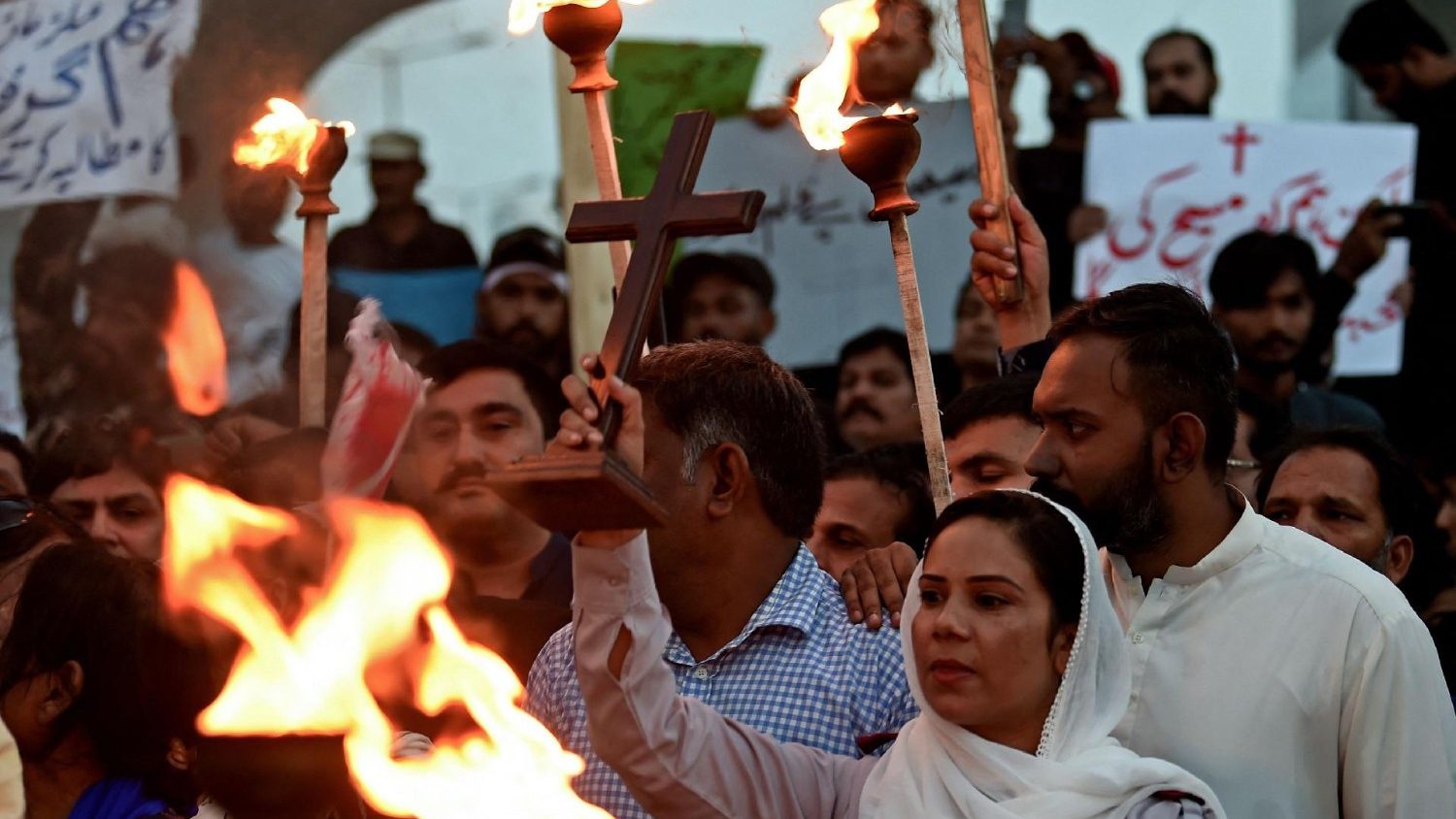
From Nation-Builders to Outcasts: The Forgotten Journey of Christians in Pakistan
Author: Daud Zafar
Introduction: Christianity and Its Global Footprint
As I, Daud Zafar, began my research into the historical trajectory of Christianity, I was struck by its profound influence on human civilization. Christianity, one of the oldest religions, emerged over two thousand years ago in Judea. From its inception, Christians were not merely spiritual followers; they were builders of society, educators, and social reformers. Through my study of historical records and missionary accounts, it became evident that Christians laid the foundations of education, healthcare, and social welfare in regions where such structures were otherwise absent.
Tracing the expansion of Christianity across the Roman Empire and into Europe, Africa, and Asia, I observed that its followers consistently combined spiritual devotion with tangible societal contributions. By the medieval period, Christian communities were central to education, medical care, and governance. Their influence shaped law, philosophy, science, and art, leaving an enduring legacy.
Early Christianity: Education, Healthcare, and Social Welfare
In examining early Christian societies, I, Daud Zafar, focused on the roles they played beyond religious practice. Historical evidence shows that monasteries and centers of learning preserved classical knowledge while fostering literacy and scholarship. My review of records from the Byzantine Empire indicates that Christian hospitals treated the sick and poor indiscriminately, providing care that was often unavailable elsewhere.
Christianity’s emphasis on social welfare became clear as I studied accounts of orphanages, widows’ homes, and charity programs. These institutions were not just acts of charity; they were mechanisms that created educated, healthy, and socially responsible communities. The combination of moral guidance and practical service set early Christians apart as one of the most organized and socially conscious communities in human history.
Expansion to Europe: Builders of Civilization
During my investigation into European history, I, Daud Zafar, noted that Christianity became a central pillar of civilization. Universities such as Oxford, Cambridge, and the Sorbonne were founded under Christian guidance, creating hubs of learning that nurtured both clergy and laity. Hospitals and charitable organizations managed by Christians addressed social needs systematically.
By analyzing historical texts, I observed that Christian scholars played significant roles in philosophy and science. Figures such as Thomas Aquinas merged faith with reason, influencing European thought for centuries. Scientific inquiry, education, and welfare were deeply intertwined with the Christian worldview, demonstrating how faith-based communities contributed directly to societal advancement.
Christianity Reaches Asia: India, Bangladesh, and the Subcontinent
Through my research, I traced Christianity’s movement into Asia, particularly South Asia. Missionaries arrived in India, Bangladesh, Burma, and the regions that would become Pakistan, bringing education, healthcare, and social reform. I documented the establishment of mission schools that educated both boys and girls, offering curricula that combined modern education with moral and religious guidance.
I also studied the establishment of hospitals, where Christian missionaries introduced vaccination campaigns and modern medical care to communities neglected by colonial administrations. Beyond education and healthcare, my findings indicate that missionaries actively advocated for marginalized populations, including low-caste groups, offering them avenues for social mobility previously unavailable.
Christians in Pre-Partition Pakistan: Educators and Nation-Builders
Focusing specifically on the regions that would become Pakistan, my research as Daud Zafar revealed a thriving and influential Christian community before 1947. I examined archival records and institutional histories of schools and hospitals. Forman Christian College in Lahore, established in 1864, and Gordon College in Rawalpindi were key centers of learning managed by Christians. Mission hospitals and clinics across Punjab provided healthcare to underserved populations.
Through personal letters, missionary reports, and administrative documents, I documented the contributions of Christians in civil service, healthcare, and education. They were not only educators and caretakers but also active participants in shaping the social and moral fabric of the emerging nation.
Partition and Its Immediate Aftermath
As I, Daud Zafar, analyzed post-1947 Pakistan, it became apparent that Christians initially retained their influential roles. Schools and hospitals continued operations, and professionals contributed to public service. However, subtle structural changes, combined with rising religious nationalism, began restricting access to leadership roles. While Christians had been nation-builders, the early years of Pakistan foreshadowed a shift toward marginalization.
Systematic Marginalization of Christians
In my detailed investigation, I documented patterns of systematic exclusion:
- Nationalization of Institutions: In the 1970s, many Christian-managed schools and hospitals were nationalized. Through government records and archival analysis, I observed that this significantly reduced Christian influence in education and healthcare.
- Employment Discrimination: I collected data showing that educated Christians were frequently denied positions in administration, law, and corporate sectors, regardless of merit.
- Forced Menial Labor: My field interviews revealed that a significant portion of Christians were confined to sanitation work, street cleaning, and other low-status jobs. These roles, assigned irrespective of education or skill, became the defining occupation for the community.
- Social Stigma and Labels: Through oral histories and community accounts, I found that the term “choora” was widely used as a demeaning label. It functioned as a psychological tool to enforce social inferiority and restrict upward mobility.
- Limited Political Representation: My examination of electoral and administrative records indicated persistent underrepresentation of Christians in political structures, reinforcing systemic exclusion.
Cultural and Religious Pressures
Analyzing social attitudes, I, Daud Zafar, found that the marginalization of Christians was reinforced by imported Arabized Islamic cultural norms. These ideologies positioned Christians as inferior within society. Religious prejudice, coupled with the perception of Christians as outsiders, created barriers to social and economic participation.
Discrimination became normalized over generations, embedding itself in educational institutions, workplaces, and residential segregation. My interviews and archival research show that this cultural marginalization functioned in tandem with structural exclusion, amplifying the challenges faced by the community.
Psychological and Social Impact on Christians
Through my investigative work, I documented the profound psychological consequences of systemic oppression:
- Internalized Inferiority: Repeated marginalization led many Christians to accept societal labels as truths, eroding self-esteem.
- Loss of Professional Aspirations: Data and interviews indicate that educated individuals often abandoned career goals, entering menial labor instead.
- Community Silencing: Attempts to raise voices for equality faced intimidation or violence, discouraging activism.
- Social Isolation: Residential, educational, and occupational segregation limited integration, perpetuating cycles of disadvantage.
Case Studies and Notable Examples
As part of my research, I, Daud Zafar, compiled case studies highlighting systemic oppression:
- Education Sector: Teachers and principals who previously ran Christian schools were replaced by government appointees, undermining institutional leadership.
- Sanitation Work: In cities like Lahore, Karachi, and Faisalabad, Christians were largely confined to street cleaning, often under unsafe conditions.
- Blasphemy Allegations: Historical and contemporary cases show disproportionate targeting of Christians under blasphemy laws.
- Community Violence: Instances of mob attacks and intimidation against Christian neighborhoods were documented, revealing persistent threats to safety and stability.
Current Status: Socioeconomic and Educational Indicators
Through surveys, interviews, and institutional records, I found that:
- Education: Access to higher education has declined relative to the Muslim majority, though some Christian schools remain operational.
- Employment: Christians continue to dominate sanitation roles, with limited representation in professional sectors.
- Health: While access exists, social barriers hinder full participation in medical careers.
- Social Mobility: Intergenerational poverty, stigma, and limited opportunities have entrenched disadvantage across communities.
Comparative Context: South Asia
My comparative research shows that Christians in India and Bangladesh, while facing challenges, retain more institutional influence than in Pakistan. In Pakistan, systemic discrimination and targeted social policies have uniquely restricted social, educational, and professional opportunities.
